Ever tried keeping up with someone who’s active on every platform at once? They post on Instagram in the morning, upload a YouTube video by evening, and somewhere in between they’ve also tweeted twice and dropped a TikTok. You end up opening four apps just to see what one person shared today. Most people don’t bother. They just miss half of it.
That’s the whole reason a term like “EmbedTree” started popping up in creator circles and small business groups recently. People got tired of the mess, and someone had to name the fix.
One Page, Every Platform: What EmbedTree Really Does
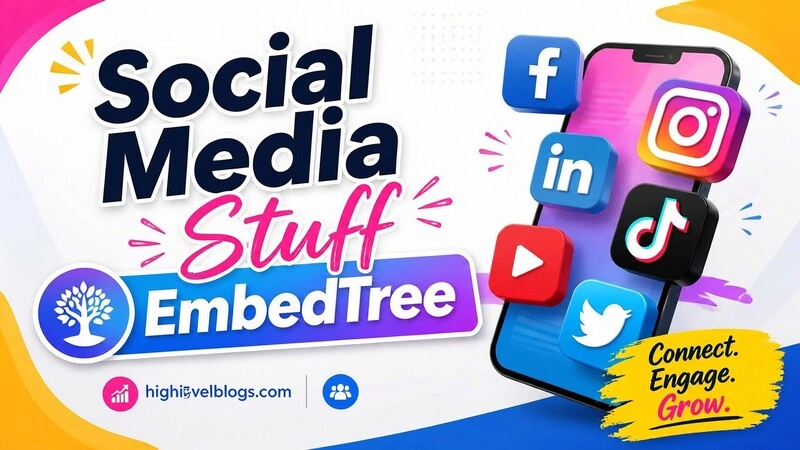
Put simply, EmbedTree is a way to pull content from all your social accounts and show it on one page. Not links to your accounts. The actual content itself. A video that plays right there, a post that shows up as it would on Instagram, a reel you can scroll through without leaving the site.
This is where it differs from the link-in-bio pages that were everywhere a couple of years back. Those were just buttons. Click “YouTube” and off you go, out of the page and into a different app entirely. With EmbedTree, the visitor stays put. Everything loads on the same screen.
I’d compare it to a market stall that sells five things but keeps them all on one table instead of sending customers to five different shops. Saves everyone the walk.
Roots, Trunk, Branches, Leaves: The Tree Behind the Name
Not a random pick. The name is built around an actual tree metaphor, and once you hear it, it kind of sticks.
Roots: that’s your identity. Your name, your brand, whatever you’re known for. Trunk: your main hub page, the one place tying it all together. Branches: your individual platforms. Instagram here, YouTube there, LinkedIn somewhere else. Leaves every post, reel, or video you’ve put out.
Everything comes from the same roots and connects back through one trunk. Whoever came up with that comparison wasn’t wrong; it does make the whole idea easier to picture than just saying “content aggregation.”
The Real Problem: Great Content, Wrong Place
Because nobody has time to post in five places and then separately make sure five different audiences actually see it. Creators today are rarely on just one app; three or four platforms is normal now, sometimes more. Good for reach, sure. Terrible for keeping track of things.
Here’s what usually happens without something like this: a creator drops a solid video on YouTube, and half their Instagram followers never even know it exists because — why would they check YouTube too? A small business writes something genuinely useful on LinkedIn, and their TikTok crowd has zero clue. Nothing wrong with the content. It’s just sitting in the wrong place for the people who’d actually want to see it.
EmbedTree-type tools exist to close that gap. Bring it all under one roof, and suddenly people aren’t missing your stuff just because they follow you on the “wrong” app.
Creators, Brands, Freelancers: Who Actually Needs This
You don’t need a huge following for this to make sense. It’s useful for:
- Creators posting across several platforms who want their audience to catch everything, not just whatever platform found them first
- Small business owners who can’t realistically manage five separate audiences but still want to look put-together online
- Freelancers who’d rather hand out one link than a business card cluttered with four different handles
- Bloggers or podcasters juggling episodes, videos, and written posts who want it all in one spot
Honestly, if your online presence feels scattered across too many places, this is basically built for that exact frustration.
Does a Single Hub Actually Keep People Around Longer?
From what makes sense logically, yes. If someone doesn’t have to leave a page to see more of your content, they’re just more likely to stick around and keep scrolling. Land on a hub with everything embedded, and a visitor might end up watching two videos and skimming three posts without ever opening a separate app. That same person probably wouldn’t have gone through the effort otherwise.
There’s a trust angle too, and it’s easy to overlook. A hub that’s clean and organized just makes a brand or creator look like they’ve got their act together. Compare that to someone whose links send you all over the internet in random directions — one just feels more professional, even if the actual content is the same.
The Takeaway: One Link, No More Missed Content
EmbedTree isn’t solving some brand-new problem nobody’s faced before. It’s addressing something creators and small brands have been dealing with for years: too many platforms, not enough hours in the day, and good content quietly getting buried because it’s scattered everywhere. Bringing it into one hub just makes sense once you think about it for two seconds.
It won’t replace Instagram or YouTube or any of the platforms themselves, and it was never meant to. What it does is give people one easy place to actually find everything you’ve been putting out — instead of hoping they stumble across it on the right app, on the right day.
For more informational content, visit our website.